Seed compliance data is only valuable if it arrives in time to act

Kiffin Wigert

An audit is an event almost no one looks forward to. That end-of-season culmination of data that finally answers the question, “Did we stay compliant this year?” will stress out any executive.
Compliance, though, shouldn’t be a season-long mystery where the final verdict is only clear at the end of the season. You need eyes on compliance status all season long. And you need to be able to spot issues quickly when there’s still time to course correct.
The problem? Many reporting, licensing, and data collection processes in the seed market are still cumbersome, manual, and fragmented. But the bigger problem is what that delays: knowing where compliance stands and where issues are emerging while there is still time to do something about them.
Reporting is treated as a singular event: typically a mad dash at the end of a season to collect and reconcile numbers, then—in worst case scenario—anxiously await an auditor’s decision. Think of this approach as a bucket of data dumped over your head within a split second.
Instead, the seed market needs to turn on the spigot of an ongoing, season-long data flow.
As the season progresses, sales and licensing activities keep changing. Your reporting process should give you visibility as that data comes in, not leave you waiting until the end of the season to understand what happened. And that’s true no matter where you sit in the value chain.
The status quo for seed industry reporting and why it’s not working
Typically, seed companies and licensors typically involve two related but distinct workflows:
Royalty reporting: Product activity is mapped and rolled into the licensor’s terminology. This process may include periodically reviewing new transactions, translating them through product lookup tables, and sending updated reports upstream.
License compliance: Transactions are matched to the licensing requirements associated with the product and grower.
But these workflows rely on manual work, which creates room for error and forces the entire value chain onto a slow, fragmented timeline.
The bigger consequence is delayed visibility. When reporting gaps or compliance issues only become clear after the fact, businesses have less time to correct them before they affect royalties, program earnings, compliance obligations, or important commercial relationships.
Seed Licensor → Seed Company → Distributor/Retailer
For seed licensors, delayed or incomplete reporting creates uncertainty around royalty activity, slows compliance enforcement, and can put the economic value of licensed products at risk. If licensed product activity isn’t completely or accurately reported, the licensor has a harder time validating that it is capturing the value it should from its genetics or traits.
Meanwhile, seed companies sit in the middle of the reporting chain. They depend on complete downstream reporting from distributors and retailers to meet their own royalty and compliance obligations to seed licensors. When gaps only surface after the fact, there may be little time to correct them. That can put earnings at risk, create financial true ups, and strain the commercial relationship with the licensor.
At the distributor/retailer level, locations may be falling below required compliance thresholds without knowing it. Even when teams know there is a gap, they may not know which growers or transactions require attention. That can lead employees to spend time chasing accounts that are already compliant while the real exceptions go unresolved. Program earnings may be affected, and in serious cases, recurring licensing failures can even put a location’s ability to sell the product at risk.
With so much at stake, recognizing a compliance problem after the fact isn’t helpful. You need to find the issue when there’s still time to act.
What the seed market needs instead: Data that arrives in time to act on it
The entire value chain needs ongoing data flows: not singular-event reporting.
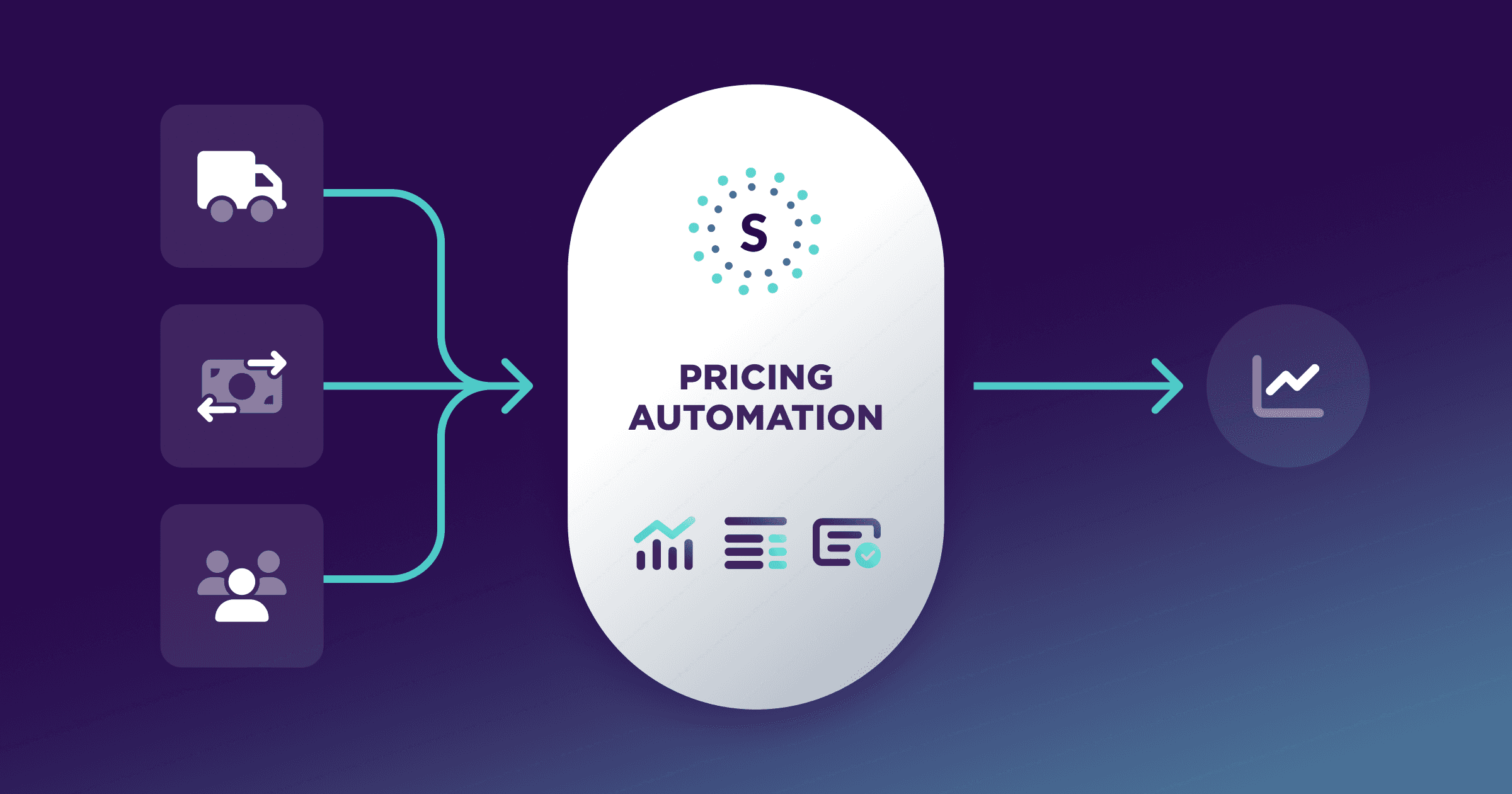
Smartwyre Collecting and Reporting are designed to support that flow of information across the seed value chain.
With Collecting:
Seed licensors can easily collect sales, royalty, and licensing data from seed companies.
Seed companies can collect downstream transaction and licensing data from their distributors and retailers.
With Reporting:
Seed companies can map and report required information upstream to Seed Licensors.
Distributors and retailers can report downstream sales and licensing information to Seed Companies.
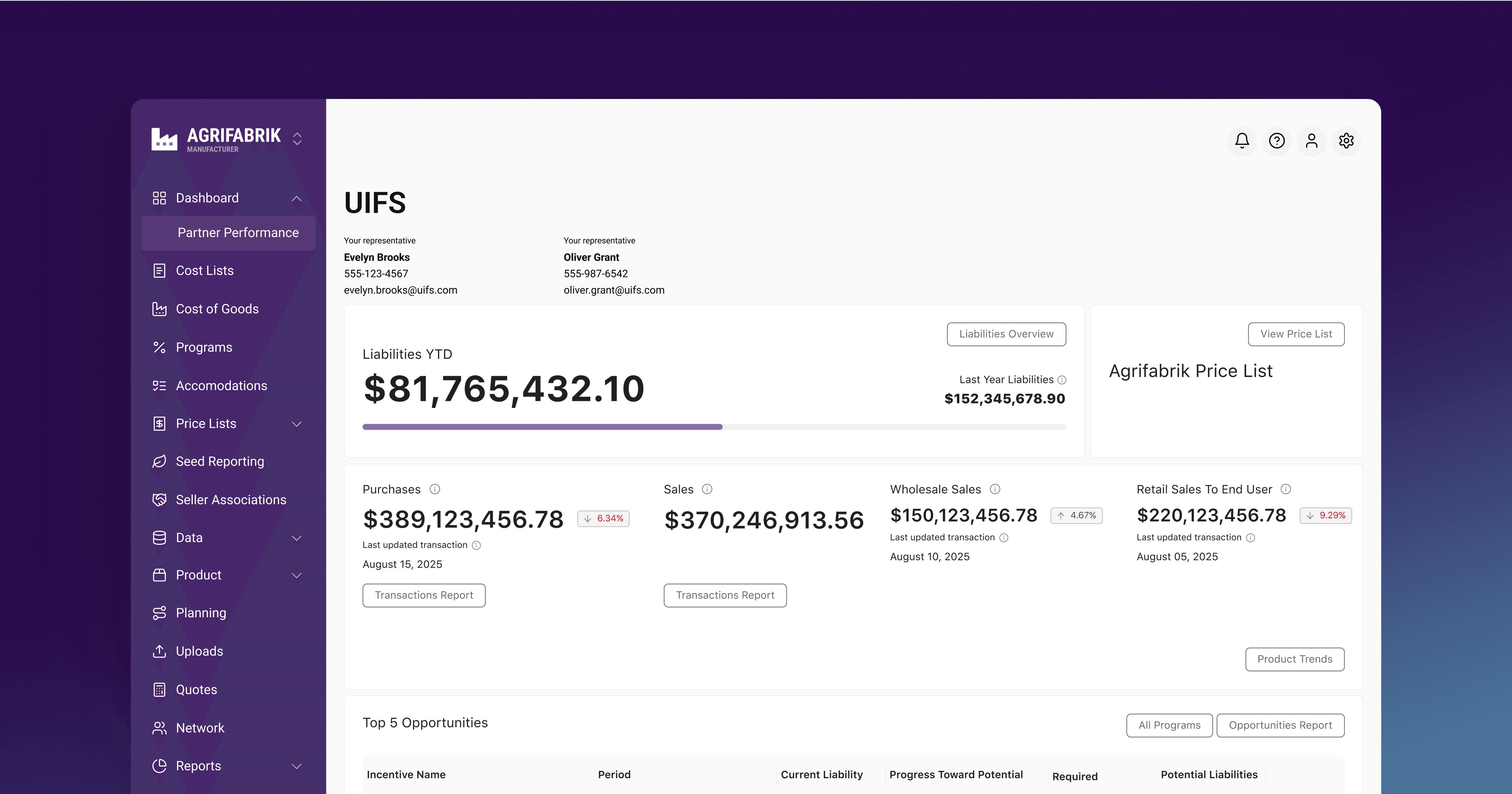
As reporting data comes in, businesses can see where compliance stands and importantly, identify the transactions, growers, locations, and reporting partners contributing to a gap.
Access to live visibility over licensing and sales data enables:
Time to change course: If a compliance starts trending in the wrong direction, teams can identify the gaps requiring attention and take corrective action before the reporting period closes.
More targeted action: Instead of broadly chasing reporting or compliance issues, teams can focus on the growers, transactions, locations, or partners creating the gap.
Less manual reporting work: As licensing and transaction data flows through a more connected process, teams can spend less time validating data, working through product lookup tables, checking transactions, and preparing reports.
Less financial and commercial exposure: Earlier visibility helps seed licensors protect the economic value of licensed products, helps seed companies address issues that could affect earnings or licensor relationships, and helps distributors and retailers protect program earnings and selling eligibility.
Turn seed reporting into data you can act on
Better seed reporting isn’t just about making reporting faster or easier. It’s about shortening the time between when a compliance issue emerges, when you can see it, and when your team can act on it.
That value looks different depending on where you sit in the seed value chain.
Smartwyre helps:
Seed licensors protect the value of their licensed products through more complete and timely visibility into royalty activity, license compliance, and reporting performance.
Seed companies protect earnings and strengthen licensor relationships by identifying and resolving downstream reporting and compliance gaps earlier.
Distributors and retailers protect program earnings and selling eligibility by seeing where compliance stands and where teams need to act.
Up and down the value chain, Smartwyre helps stakeholders shift reporting from a singular, season-end event to an ongoing data flow.
And that flow can turn a compliance issue into something you identify and address during the season, rather than a problem you discover after your options to fix it have narrowed.
Want to see where licensing and compliance issues are emerging while there’s still time to act? Talk to the Smartwyre team about how Collecting and Reporting can give you better visibility across your seed reporting network.